ABOUT IGCAT
IGCAT aims to empower local communities by raising awareness of the importance to protect and promote distinct regional food, culture, arts and natural assets as part of sustainable and balanced tourism and development strategies. This is essential to safeguard our planet, health, wellness and local economies.
IGCAT is a non-profit institute established in 2010, working with regional stakeholder consortiums in the fields of gastronomy, culture, arts and tourism. It counts on the expertise of a worldwide network of experts and works in partnership with specialised intergovernmental organisations.
IGCAT provides the European and World Region of Gastronomy Award and is the official secretariat for the World Region of Gastronomy and the European Region of Gastronomy Platforms. Furthermore, the Institute has developed the Young Chef Awards, the World Food Gift Challenge, the Top Foodie Websites Awards and the International Food Film Menu Awards.
Focus Areas
IGCAT’s six focus areas define the key priorities of the World Regions of Gastronomy. They guide regions in using gastronomy as a tool to address food systems, culture, sustainability, education, tourism, and well-being at a territorial level.
Feeding the Planet
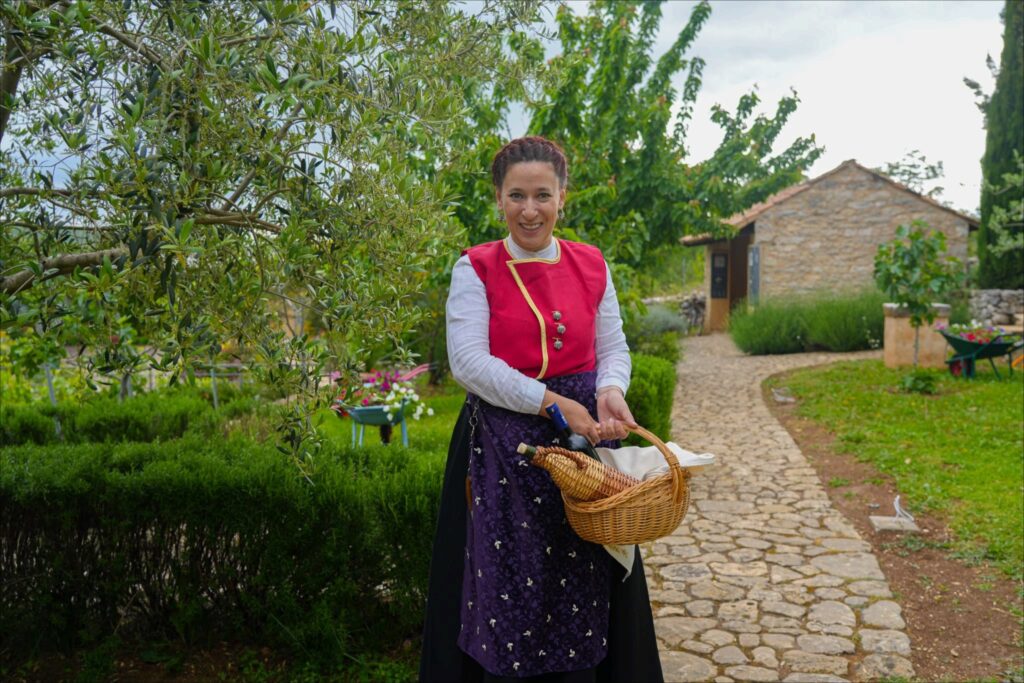
There is enough food to feed the world if we protect the planet’s biodiversity. Equity and solidarity are non-negotiable. No transformation of food systems is legitimate if it fails to address hunger, inequality, and access to nutritious, culturally meaningful food. A just food system requires that all regions are able to participate and benefit, valuing diverse knowledge systems from indigenous practices to scientific research, and ensuring that food sovereignty is respected across cultures and territories. To empower local communities, ecosystems must be protected, restored, and valued. Biodiversity, from seeds to landscapes, is a strategic asset for resilience, identity, and nutrition. Food kilometres, sustainable farming practices, pollinators, and access to land and water must be central to regional food strategies.
Innovation, Creativity and Job Opportunities
Educating for our Future

Regenerative Food Destinations
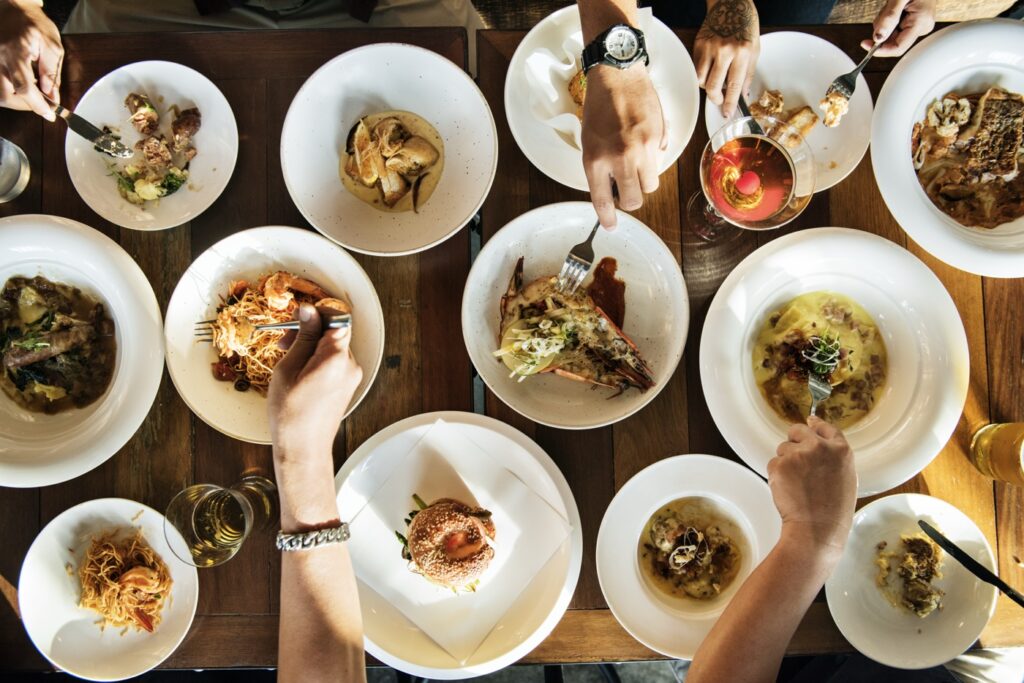
Gastronomy and tourism can be powerful drivers of regeneration when rooted in authenticity, community leadership, and respect for local cultures. When aligned with territorial identity, they strengthen local economies, revitalise traditions, and create meaningful connections between visitors and communities. Rather than extractive models, gastronomic tourism should be understood as a form of cultural exchange, where producers, artisans, and communities are recognised as storytellers and custodians of heritage. Value remains within the territory, while visitors experience places through depth, knowledge, and lived culture. Visitors are the best ambassadors for a region and can increase the client base for food export, ensuring that tourism income can reach rural areas where it is often greatly needed.
Urban and Rural Citizen Engagement

Well-being and Healthier Living

World Regions of Gastronomy
A global platform recognising regions that use gastronomy as a driver for sustainable development, cultural exchange and community wellbeing. Through long-term programmes and international visibility, the initiative highlights how food can strengthen regional identity, support local economies and foster collaboration worldwide.
European Regions of Gastronomy
An initiative recognising European regions that use gastronomy to support sustainable development, cultural diversity and social cohesion. The programme promotes long-term strategies, knowledge exchange and collaboration across Europe, highlighting the role of food in strengthening regional identity and local economies.
